Food & Farming
Chikoo Season in Dahanu: When to Come, Where to Buy, What to Look For
Dahanu and Gholvad grow India's most famous chikoo — a GI-tagged fruit. When it's best, how to buy direct from the orchards, how to pick a good one, and when the Chikoo Festival happens.
4 min read
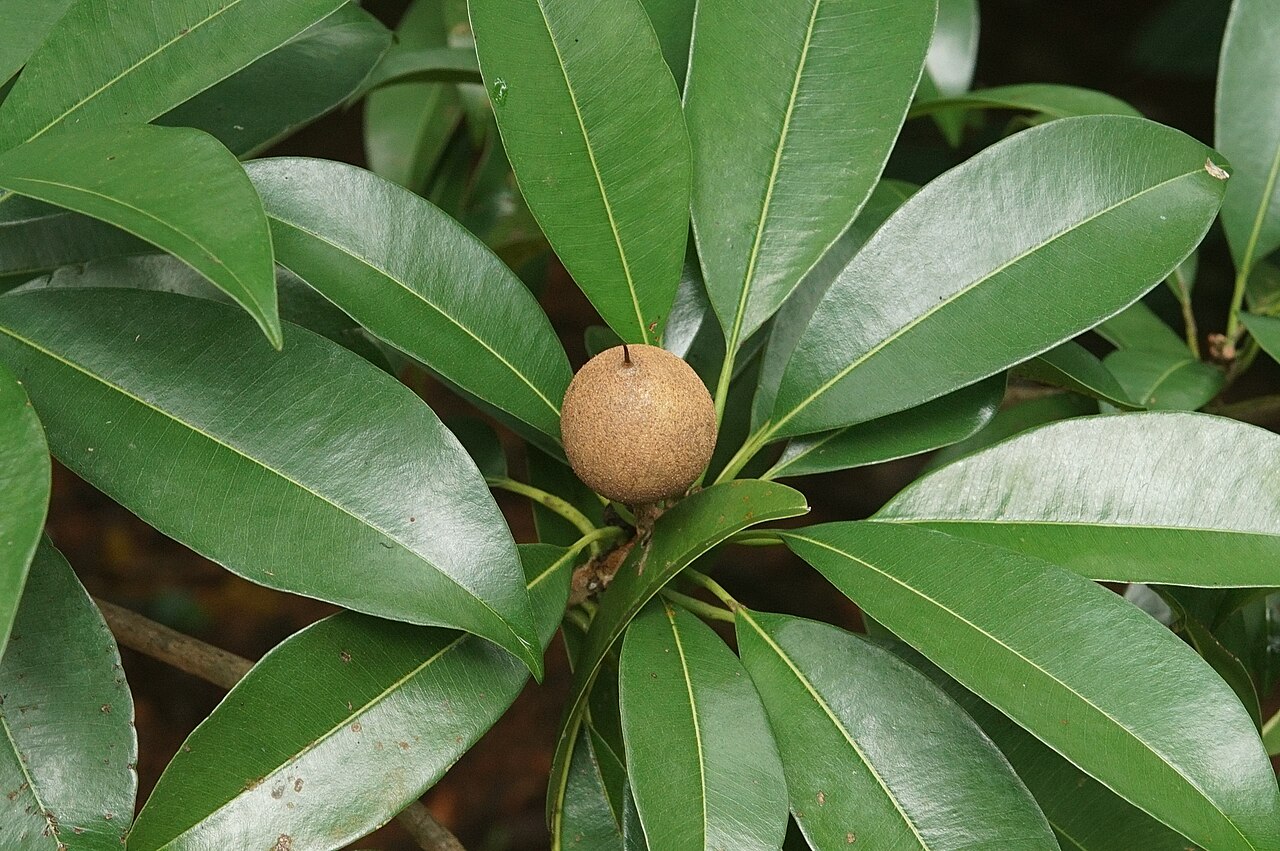
Ask anyone in Mumbai what Dahanu is known for and you'll get one answer: chikoo. The sapota grown along this stretch of coast — particularly around Gholvad — carries a GI tag, the same kind of protected-origin status as Darjeeling tea or Nagpur oranges. It was granted to the local growers' association, which means the name belongs to the farmers here rather than to anyone who wants to borrow it.
If you've only eaten chikoo from a Mumbai fruit cart, you haven't really eaten it.
When is chikoo season?
Here's the thing most articles get wrong: chikoo isn't a short season. It's not mango. The trees fruit multiple times through the year, so there isn't a narrow window you have to catch or miss out.
What is seasonal is the experience around it. Winter — roughly January and February — is the best time to come for chikoo specifically. That's when the orchard visits, the farm stays and the Chikoo Festival all line up.
So: you can buy good chikoo here most of the year. Come in winter if you want to make a trip of it.
What makes Gholvad chikoo different
The GI recognition points at flavour and texture — Gholvad sapota is known for being distinctly sweet, with a characteristic texture that growers attribute to the local soil and coastal growing conditions.
The practical difference is freshness. Fruit bought at the orchard hasn't spent days in transit and handling. Chikoo is soft when ripe and doesn't travel gracefully, so a lot of what reaches a city cart has been picked hard and ripened on the way. Eating it here, picked properly, is a different fruit.
Buying direct from the farms
Yes, you can buy direct — but contact the farm first.
This matters. These are working orchards and, in many cases, family homes. Walking unannounced into a private orchard isn't the done thing. A phone call or a message ahead turns it from trespassing into a welcome.
For a visitor-friendly option, Save Farm at Gholvad is a working chikoo orchard set up for guests — farm tours, fruit-picking, and Warli art workshops. It's family-run, and has been since 1970. If you want the orchard experience without having to arrange it yourself, that's the straightforward route.
On price: it varies with size, grade and season, so we're not printing a figure that'll be wrong by the time you read it. Ask when you contact the farm.
How to pick a good chikoo
Useful whether you're at an orchard or a city cart:
Good chikoo:
- Gives slightly when you press it gently — ripe, not hard
- Smells faintly sweet
- Skin intact, no weeping or soft black patches
Leave it if:
- It's rock hard — not ruined, but it needs days at home to ripen
- It's mushy, leaking, or the skin is broken
- It smells fermented rather than sweet
Once you've bought: ripe chikoo keeps only a few days. Firmer fruit will ripen at home, so if you're carrying a box back to Mumbai, buy slightly firmer than you'd like and let it come good.
The Chikoo Festival
There's an annual Chikoo Festival at Bordi, traditionally held in February — the 2025 edition ran 8–9 February. Maharashtra Tourism lists it as a yearly February event.
Check the current year's dates before planning around it. They shift, and we're not going to pretend otherwise.
It's chikoo products, local food, crafts, and performances. If you're coming for the fruit anyway, timing your trip to it is worth doing — and it means booking accommodation in Bordi earlier than usual, because it fills up.
Beyond the fresh fruit
Chikoo here doesn't stop at the fruit itself. Maharashtra Tourism specifically calls out chikoo sherbet, ice cream, barfi and laddoo among local products, and you'll find chikoo shakes and dried chikoo around town.
The shake is the easy win. Have one.
Getting chikoo back to Mumbai
Some growers and sellers will arrange couriering, but there's no single standard service — ask wherever you're buying rather than assuming it's available.
For most people the simpler answer is to buy firm fruit, carry it back yourself, and let it ripen at home over the following few days.
The short version
- Chikoo fruits through the year — it's not a narrow season.
- Come in January–February for the full orchard-and-festival experience.
- Gholvad sapota is GI-tagged — protected-origin, and the sweetness is the point.
- Call the farm before visiting. These are working orchards, not attractions.
- Save Farm, Gholvad is set up for visitors — tours, picking, Warli workshops.
- Chikoo Festival, Bordi, February. Check the year's dates; book Bordi early.
- Buy slightly firm if you're travelling home with it.
More Dahanu guides
Beaches
Bordi or Dahanu Beach? An Honest Comparison
Which Dahanu beach to choose — Bordi is quieter and cleaner, Dahanu is easier to reach. Swimming safety, best times, parking, and what's actually available.
Culture
Dahanu's Festival Calendar: What Happens When
When Dahanu's festivals happen — the Mahalaxmi yatra, the Bordi Chikoo Festival, Dahanu Festival, Navratri and the village jatras — and which ones visitors can attend.
Travel
A Weekend in Dahanu: Where to Stay, What to Eat, What It Actually Costs
Honest costs for a weekend in Dahanu — beach resorts vs homestays vs farm stays, where to eat seafood, and a realistic budget for a couple or a family of four.